*** Free consultation ***
Keeping Moving For A Stronger Heart - At Any Age
During 'Heart Month' and 'Cardiac Rehab Week' Chris Scordis, Clinical Exercise Physiologist shares his expert thoughts on the importance of regular exercise in the prevention of heart disease and as part of the recovery process after a cardiac event.
HEALTH THROUGH SPORT
Chris Scordis, Clinical Exercise Physiologist
2/10/20261 min read
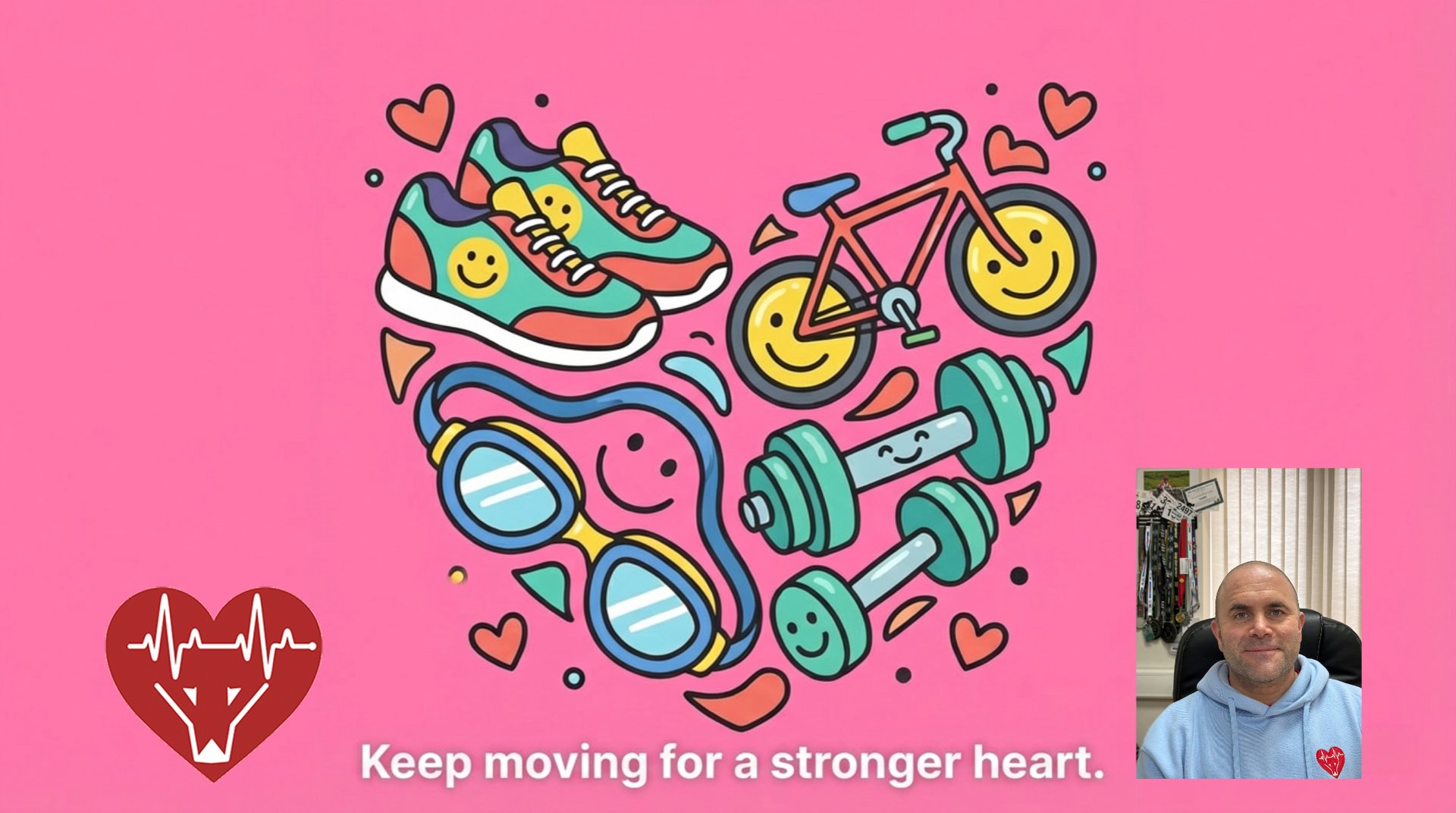
Physical activity remains one of the most powerful tools we have in both the prevention of heart disease and the recovery process after a cardiac event. Regular exercise helps improve cardiovascular fitness, manage blood pressure, control cholesterol, support healthy weight, and reduce stress. All key contributors to heart health. Just as importantly, structured exercise in cardiac rehabilitation provides patients with a safe, supervised pathway back to confidence, independence, and everyday life.
A message I often share is this: we don’t stop exercising because we get older, we get older because we stop exercising. Maintaining activity as the years pass preserves strength, mobility, metabolic health, and psychological wellbeing. Even modest, consistent activity can make a meaningful difference, and it’s never too late to start.
Cycling is an activity I strongly advocate. It’s accessible, low-impact, and non-weightbearing, making it particularly suitable for people with joint concerns, reduced mobility, or those rebuilding fitness after a cardiac event. It allows individuals to control intensity easily while still gaining substantial cardiovascular benefits, whether outdoors or on a stationary bike.
I’ve been fortunate to complete numerous cycling challenges alongside my patients as fundraisers for our local hearts charity in Wolverhampton, which supports our self funded cardiovascular rehabilitation centre. These events not only raise funds but also build camaraderie, confidence, and motivation. Our centre’s goal is simple: to provide patients with a safe, supportive environment where they can rebuild fitness, return to work where appropriate, and most importantly, enjoy life fully again.
The heart thrives on movement. Whether it’s cycling, walking, swimming, or structured rehab exercise, staying active is one of the best investments anyone can make in their long-term health and quality of life.
www.have-a-heart.co.uk
www.JustGiving.com/campaign/hahwolves