*** Free consultation ***
S&C: The Triathlon Performance Multiplier
Triathlon performance isn’t built on swim, bike, and run alone. Behind every strong stroke, powerful pedal turn, and efficient stride lies a foundation of strength and conditioning. Often overlooked by endurance athletes, structured strength work isn’t about adding muscle mass, it’s about building durability, improving movement efficiency, and unlocking greater power output across all three disciplines. When implemented correctly, strength and conditioning becomes a true performance multiplier. It reduces injury risk, enhances economy, supports posture under fatigue, and ultimately allows triathletes to train harder and race stronger. In this article, we’ll explore why strength training is essential for triathletes and how to integrate it effectively into your weekly routine.
S&CSTRENGTH & CONDITIONINGGYM WORKTRAININGHEALTH THROUGH SPORT
James Oswald, Coach
3/2/20261 min read
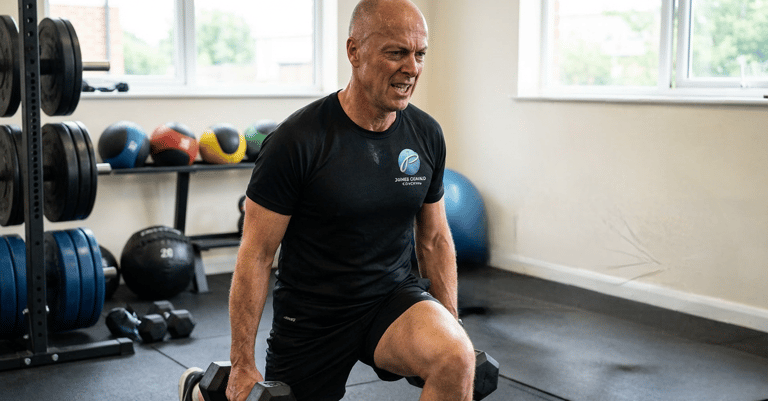
Strength and Conditioning: The Triathlon Performance Multiplier
While swimming, cycling, and running form the core of triathlon, strength and conditioning (S&C) is the foundation that holds these disciplines together. For triathletes, lifting weights isn't about building bulk; it’s about injury prevention, movement efficiency, and power output.
1. Injury Resilience
The repetitive nature of endurance sports often leads to overuse injuries. A structured S&C program strengthens connective tissues, tendons, and ligaments. By correcting muscular imbalances—such as weak glutes or tight hip flexors—athletes can maintain proper form even when fatigue sets in during the final miles of a race.
2. Improved Movement Economy
Strength training enhances "economy," which is the amount of oxygen required to maintain a certain speed. For swimmers, upper-body pull strength is vital. For cyclists and runners, explosive lower-body power translates to more distance covered per pedal stroke or stride. Heavy, low-repetition lifting has been scientifically proven to improve these metrics without significantly increasing body mass.
3. Core Stability and Posture
Triathlon requires maintaining demanding positions for hours—whether it’s the horizontal plane in the water, the aggressive "aero" tuck on the bike, or an upright running posture. A strong core stabilizes the pelvis and spine, reducing energy "leakage" and preventing lower back pain common in long-distance events.
Key Focus Areas:
• Compound Movements: Squats, deadlifts, and lunges for lower-body drive.
• Upper Body Pulling: Pull-ups or rows to maintain a strong swim stroke.
• Single-Leg Work: To address imbalances and improve running stability.
• Plyometrics: Incorporating "explosive" movements to improve bone density and reactive strength.
Conclusion
Strength and conditioning is not an optional extra in triathlon — it’s a long-term investment in performance and durability. By building resilience, improving efficiency, and reinforcing proper mechanics, targeted strength work allows you to get more out of every swim, ride, and run. When approached with purpose and consistency, even a small amount of structured strength training each week can create meaningful gains that compound over time — helping you stay healthy, move better, and perform at your highest level on race day.
How many days per week are you currently able to dedicate to strength training?