*** Free consultation ***
The Science of Recovery: Why Rest is Essential for Progress
In a culture that often glorifies relentless training, recovery is frequently overlooked — yet it’s the very process that drives progress. Fitness gains don’t occur during workouts, but in the hours and days that follow, when the body repairs, adapts, and grows stronger. Understanding the role of rest days, active recovery, and proper sleep is essential for preventing injury, maintaining hormonal balance, and sustaining long-term performance. In this article, we explore the importance behind recovery and why strategic rest is just as important as the training itself.
TRAININGRECOVERYREST
James Oswald, Coach
2/23/20262 min read
The Science of Recovery: Why Rest is Essential for Progress
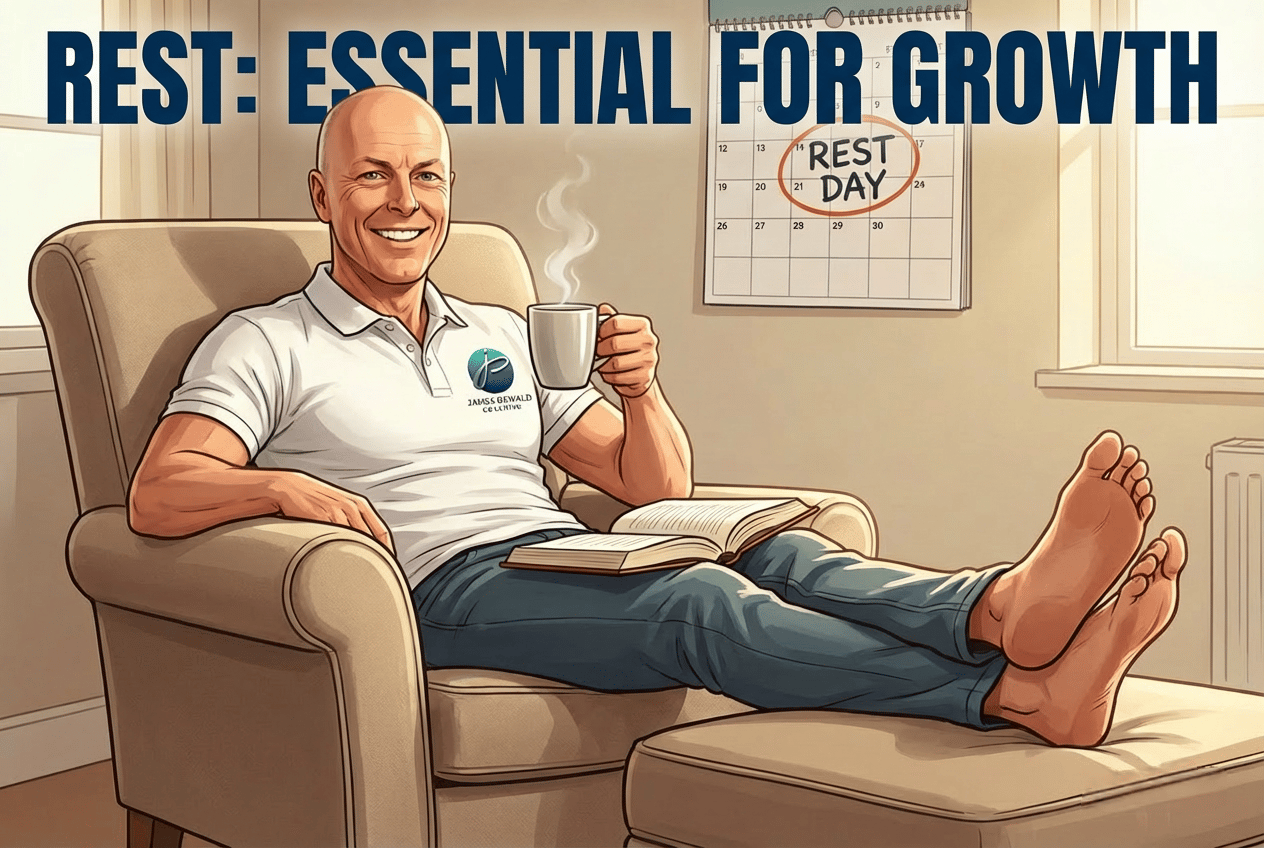
In the pursuit of fitness, many athletes believe that more work always equals better results. However, physiological gains do not occur while you are training; they happen while you are recovering. Without adequate rest, the body remains in a state of breakdown, leading to plateauing performance and increased injury risk.
Rest Days vs. Active Recovery
Understanding the difference between these two recovery methods is key to a balanced training program:
• Rest Days: These involve a total break from intense physical activity. They are vital for central nervous system (CNS) recovery and psychological refreshment. Also, a full day off allows glycogen stores to replenish and prevents chronic fatigue.
• Active Recovery: This involves low-intensity movement (at 30–50% of maximum effort), such as a light walk, easy cycling, massage or restorative yoga. The goal is to increase blood flow to the muscles without adding stress, which helps flush out metabolic waste and reduces muscle soreness (also known as the dreaded DOMS).
The Benefits of Prioritising Recovery
1. Muscle Repair and Growth: During exercise, microscopic tears occur in muscle fibres. Rest allows the body to repair these tissues, making them stronger than before, a process known as supercompensation.
2. Injury Prevention: Continuous stress on joints, tendons, and ligaments without downtime leads to overuse injuries like stress fractures and tendonitis.
3. Hormonal Balance: Intense training raises cortisol (the stress hormone). Scheduled rest helps normalise hormone levels, supporting better sleep, mood, and metabolic function.
Signs You Need More Rest
Overtraining syndrome is a serious risk for dedicated athletes. Watch for warning signs such as persistent muscle soreness, elevated resting heart rate, irritability, waking up tired after a good night’s sleep, and a sudden decrease in performance despite high effort.
The Bottom Line
Training is the stimulus, but recovery is the solution. A well-designed program should treat rest days with the same discipline as a high-intensity workout. By listening to your body and scheduling recovery, and aiming for 7 to 8 hours of sleep a night, you promote long-term consistency and peak performance.
Do you currently schedule set rest days in your weekly routine, or do you play it by ear?